“It is the 25th Christmas without Jacquot… time passes quickly… it was good.” With these words, contained in a fax sent on December 23, 2014, the long correspondence between Karl Lagerfeld and Armelle de Bascher, mother of his partner Jacques de Bascher, whom he affectionately nicknamed Jacquot, who passed away prematurely in 1989 following an illness, comes to an end.
C’était bien, it was good, is the title chosen for the exhibition hosted at Spazio Opis in Rome from May 7 to July 30, 2026, curated by Clara Tosi Pamphili, which recounts the previously untold story of the correspondence between one of the most famous fashion designers in the world and the mother of his partner.
When in 1989 Karl Lagerfeld loses his partner Jacques, with whom he had shared 19 years of life, he is unable and unwilling to reveal his grief to anyone except Jacques’s mother, Armelle.
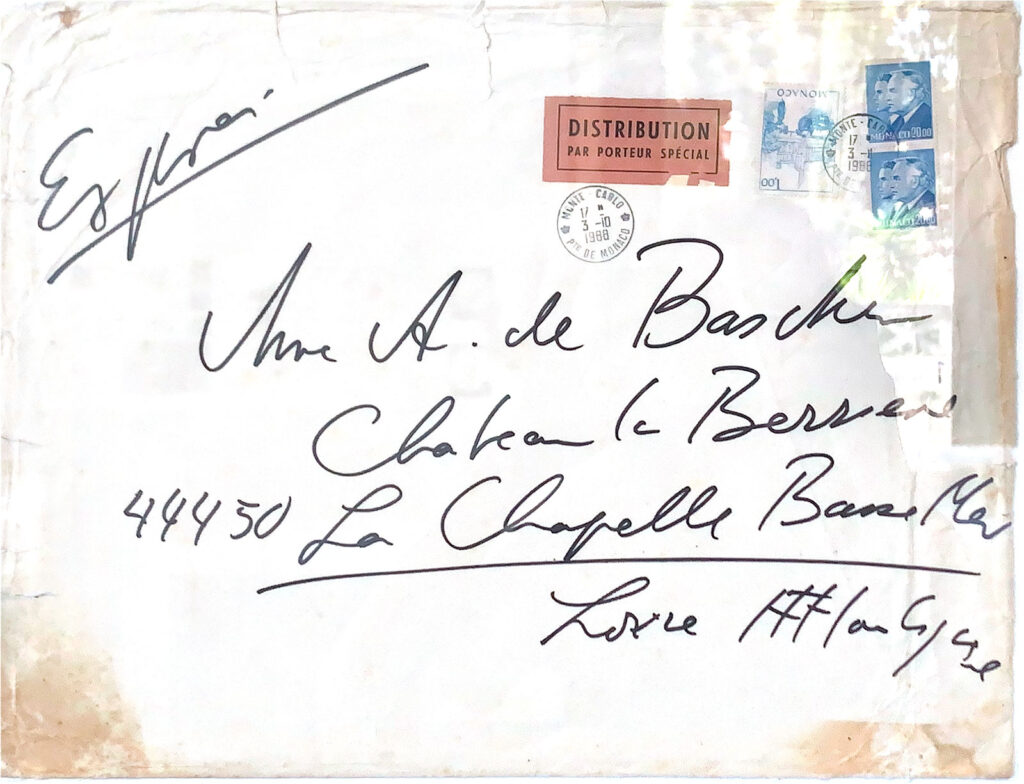
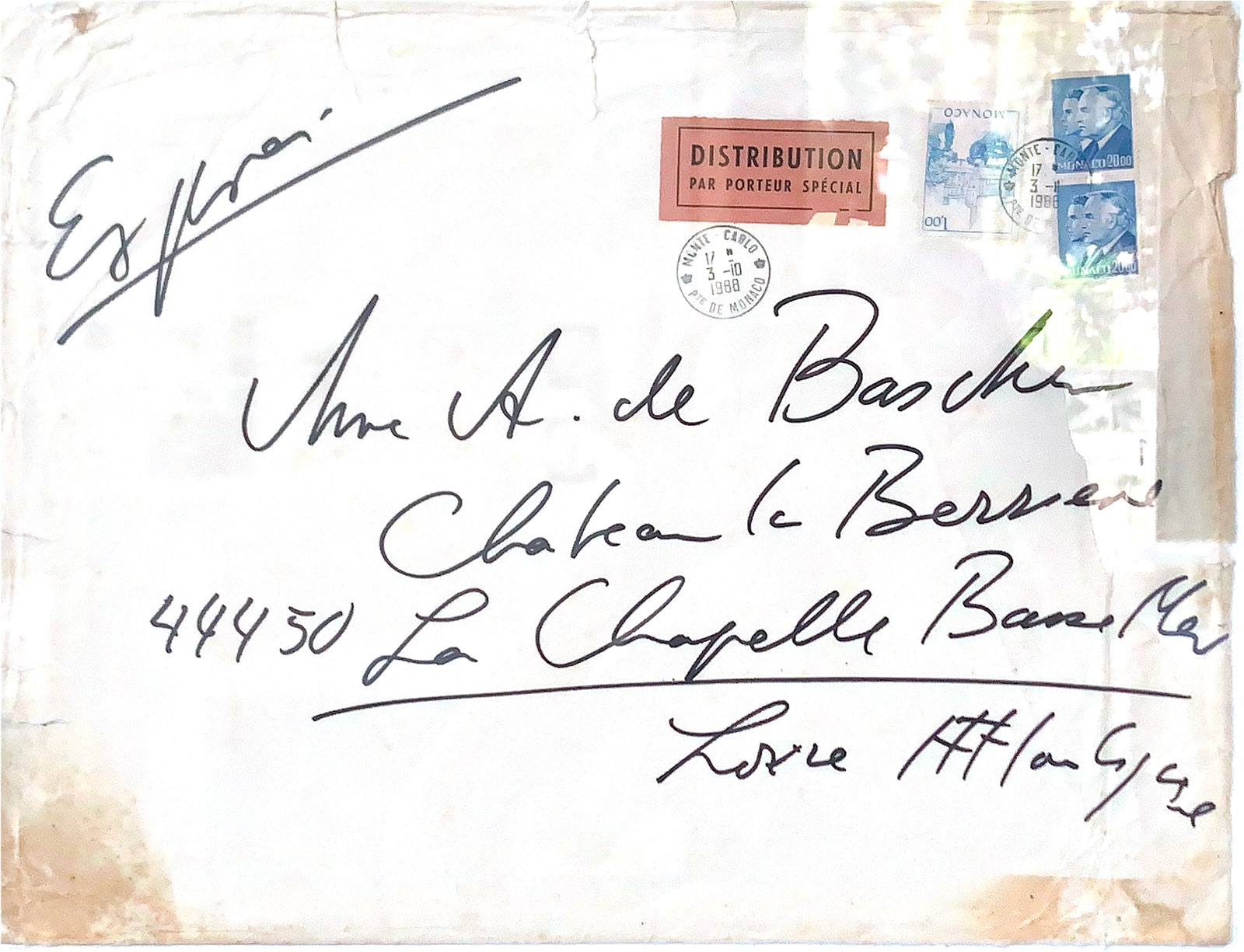
There are more than 600 letters and faxes that Lagerfeld sent to Armelle over a period of more than 25 years, together with hundreds of books, records, and invitations. A long epistolary relationship never before shown to the public and kept in Armelle’s castle in France until her death in 2015.
Emilie Grangié, Jacques’s niece, who inherited these letters, entrusted them to Richard Mogni, a close friend and university companion, with the idea of turning them into a book, to be published soon in France, in order to reveal an unseen aspect of Lagerfeld’s personality, that of the human being rather than the public figure. What emerges is an intimate and moving portrait, an unknown side of one of the undisputed protagonists of the fashion world. Mogni, the creator of the exhibition, was chosen by Emilie Grangié as the custodian and later narrator of this story, having lived through a very similar personal experience, having also lost his partner prematurely.
The exhibition path creates, in the largest room of the gallery, a “stargate” into the world reconstructed by Karl to keep Jacques alive: a large letter onto which images of all the other letters, photographs, and documents are projected in a loop that ultimately manages to erase real life, and therefore the pain.
The installation in the rest of the space highlights this existential bipolarity. Alongside approximately 30 original letters displayed in cases, there is a long display featuring documents of all kinds, related not only to the designer’s professional life but also to his daily life.
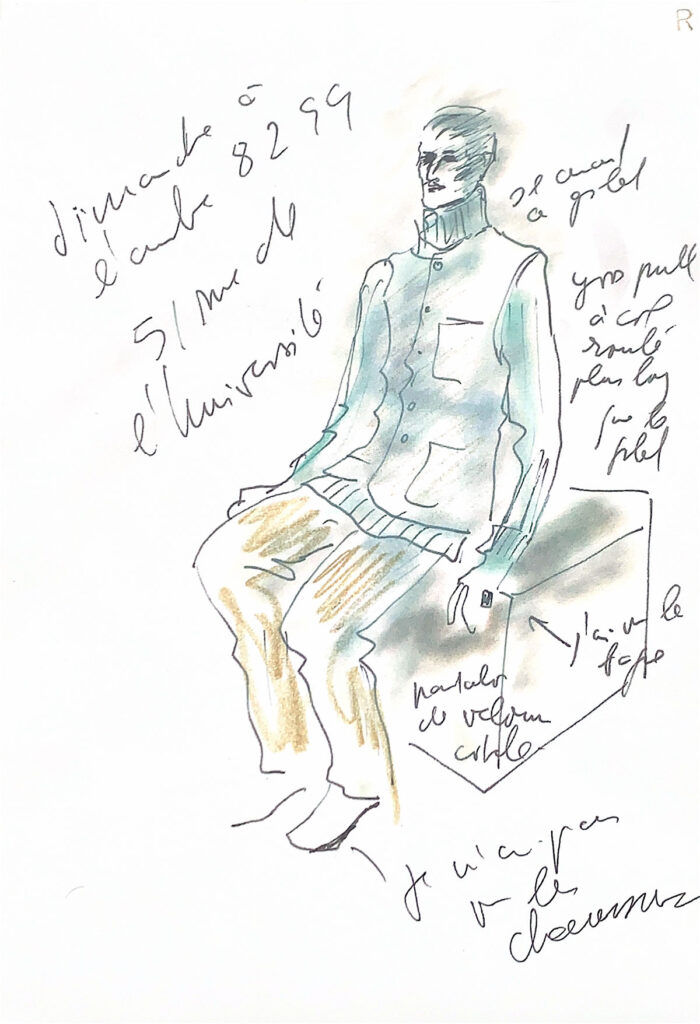
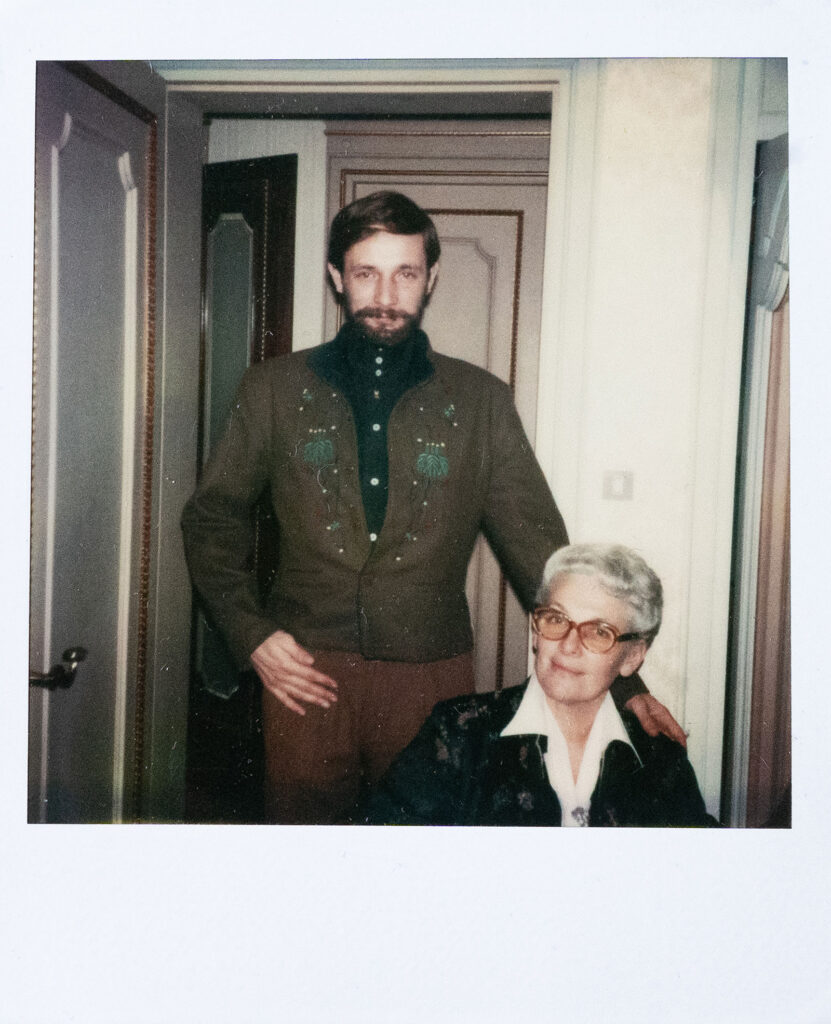
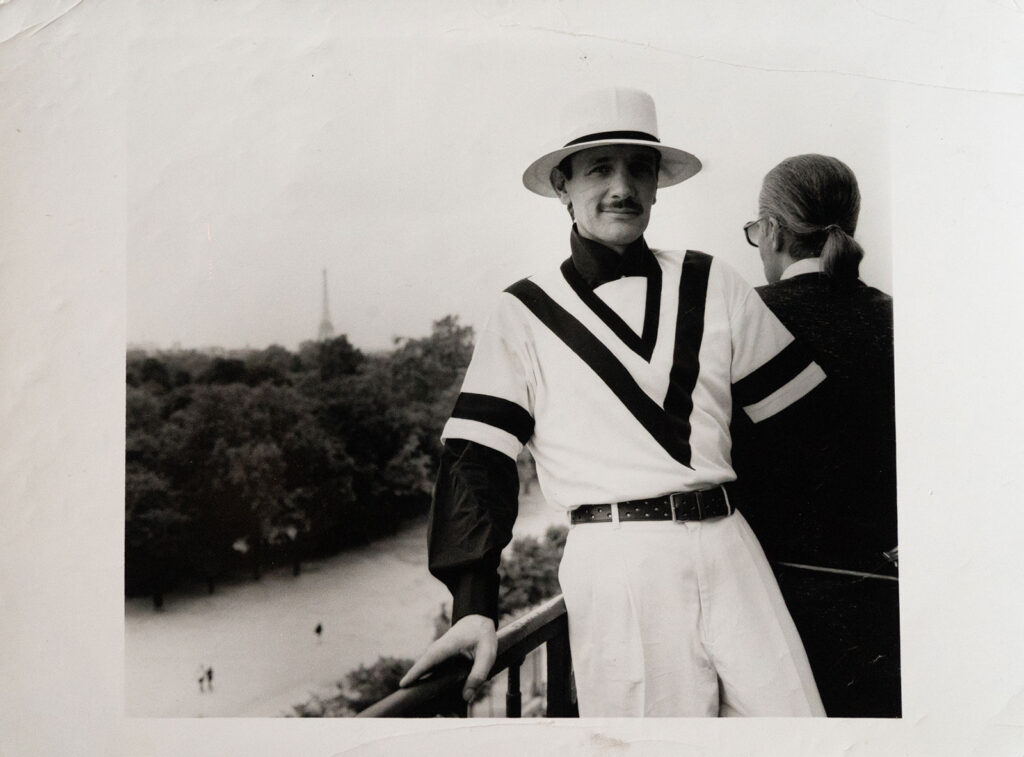
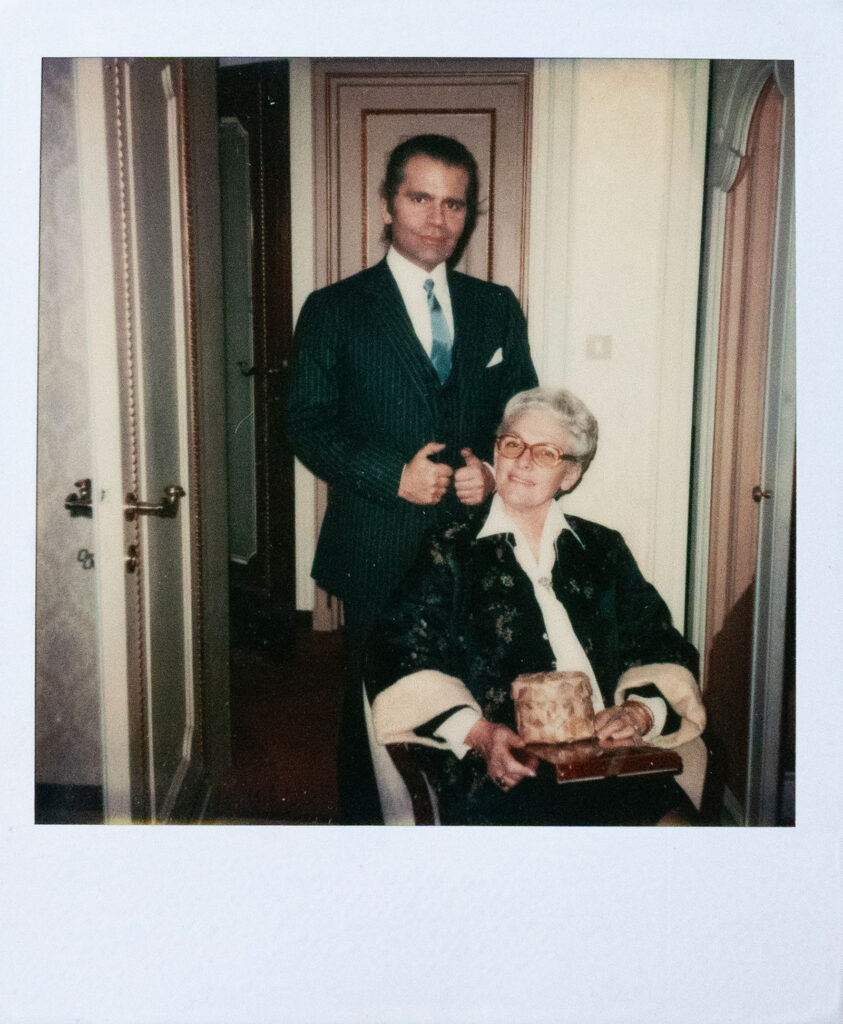
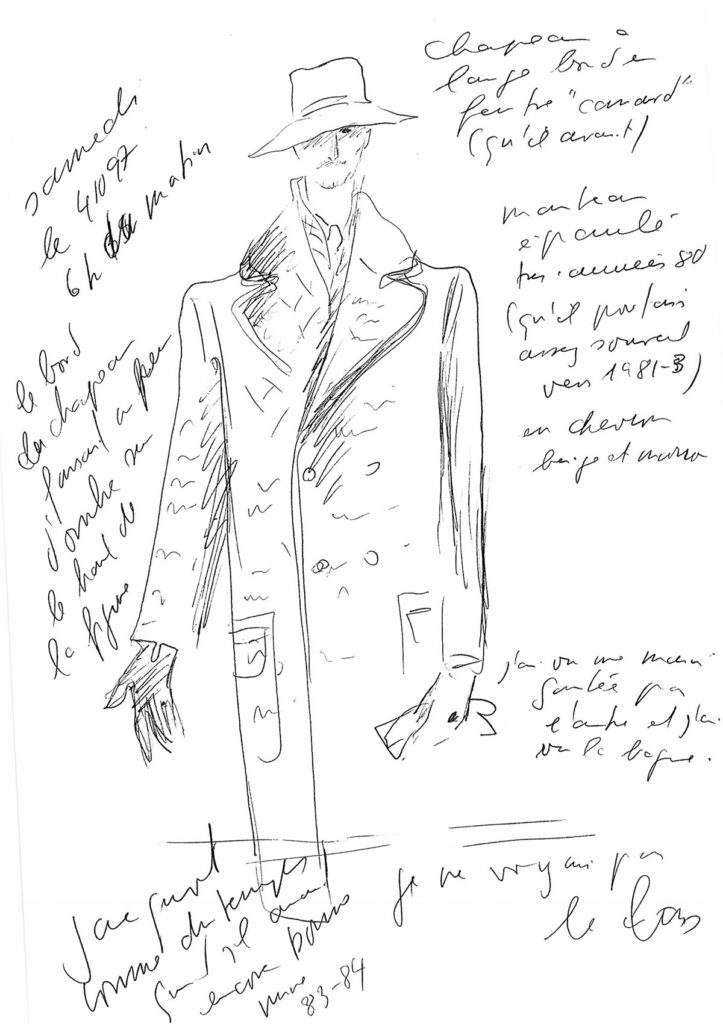
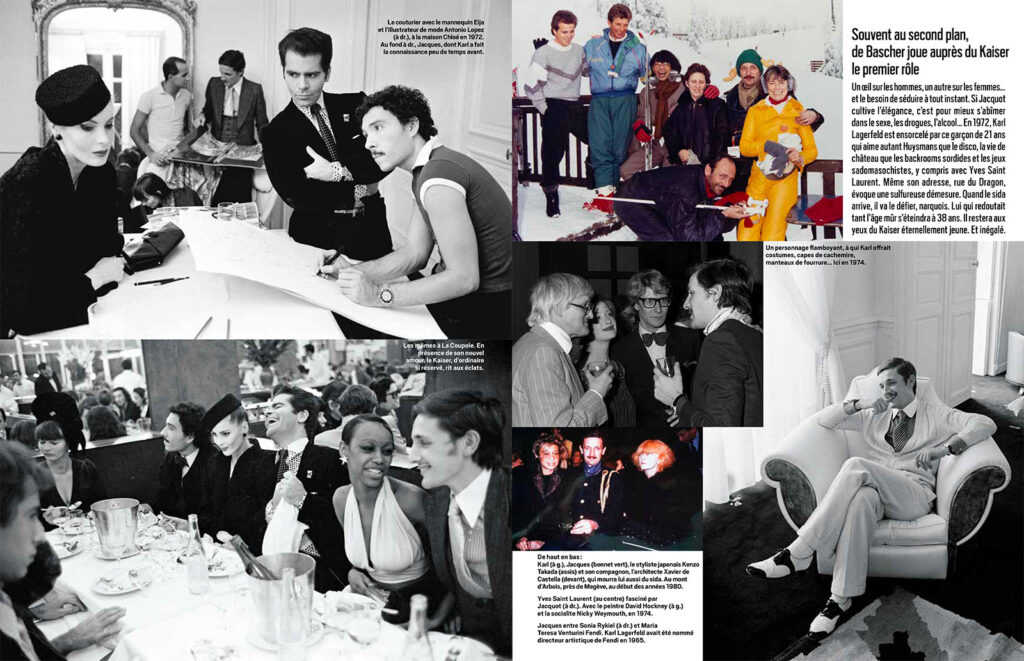
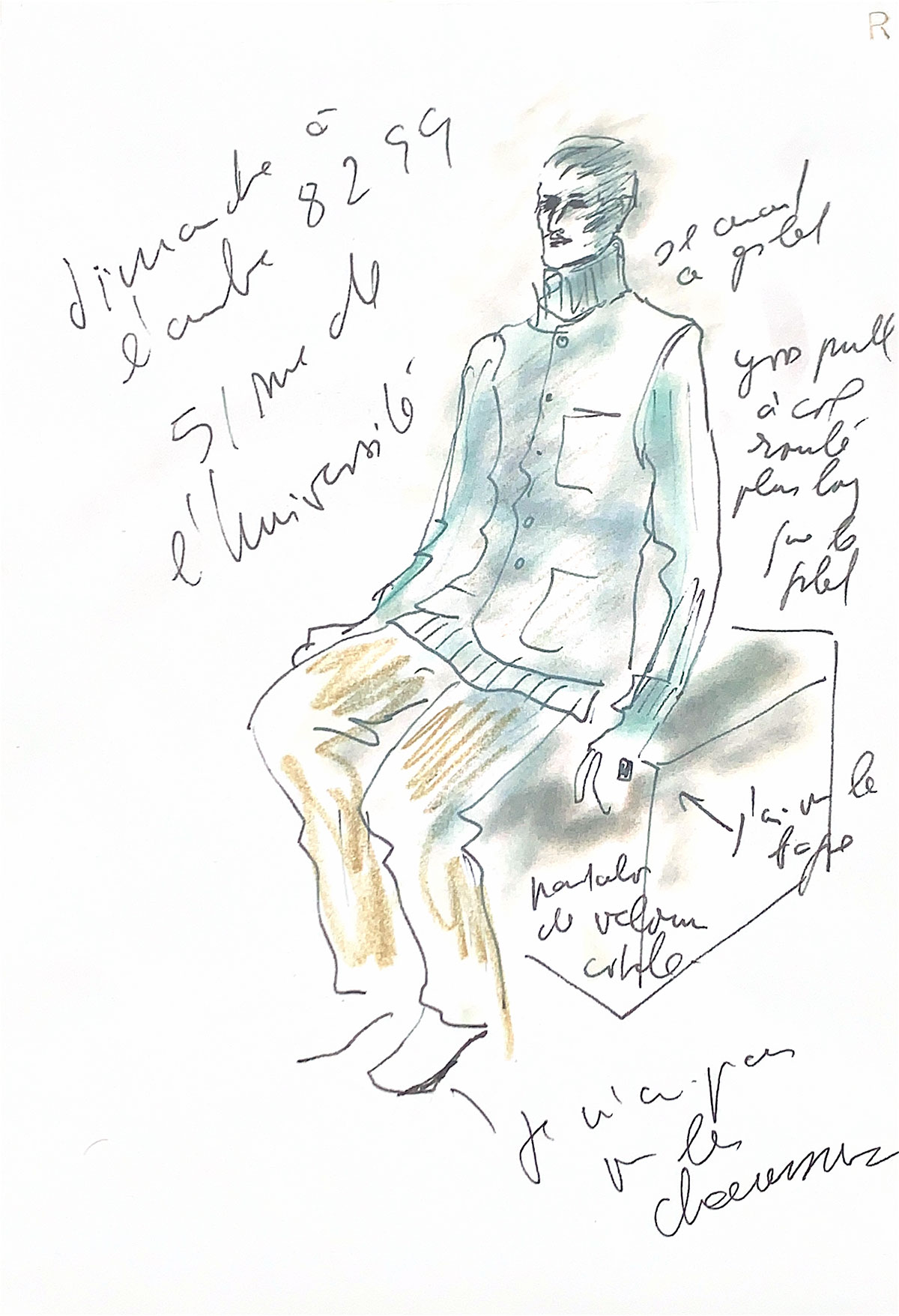
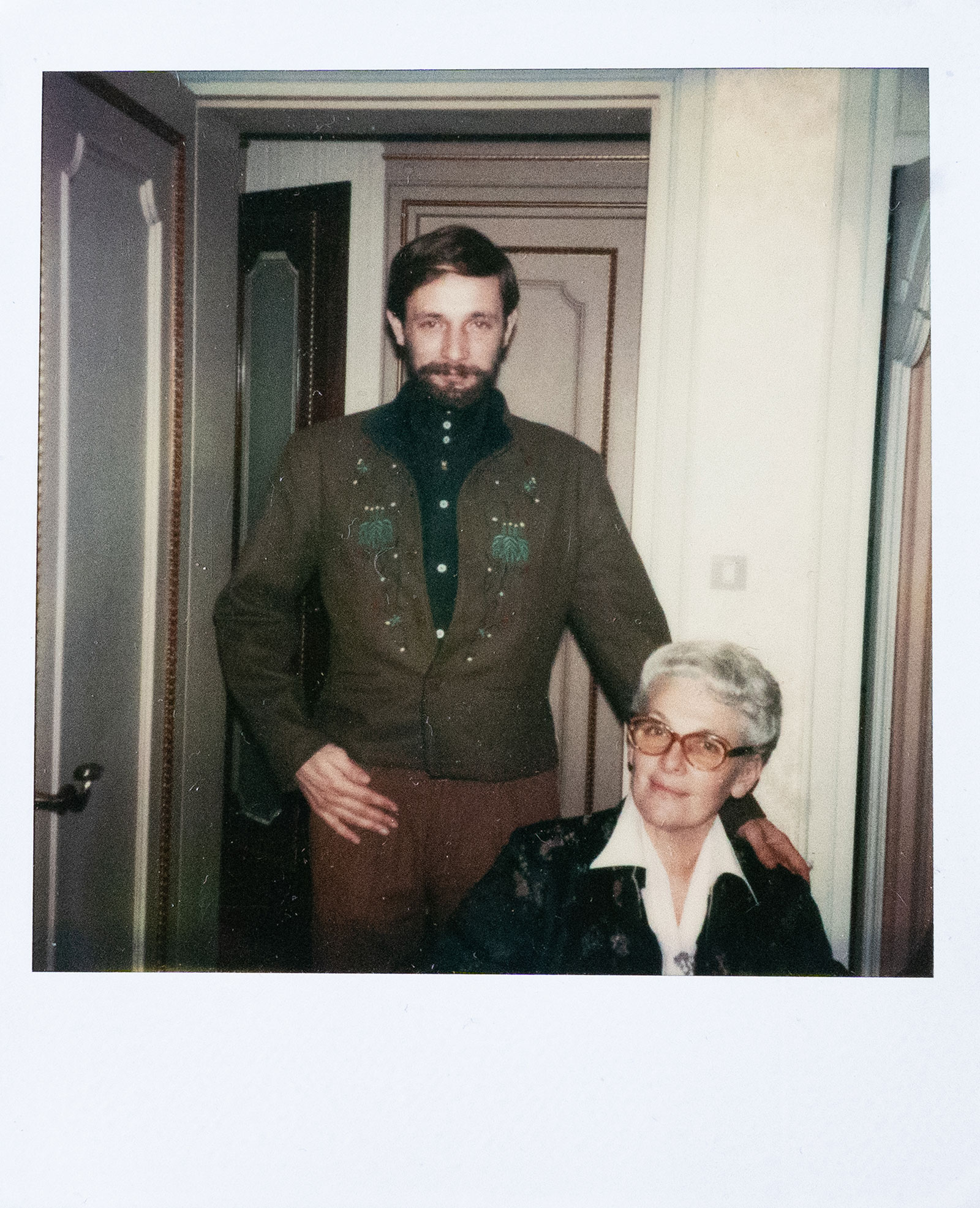
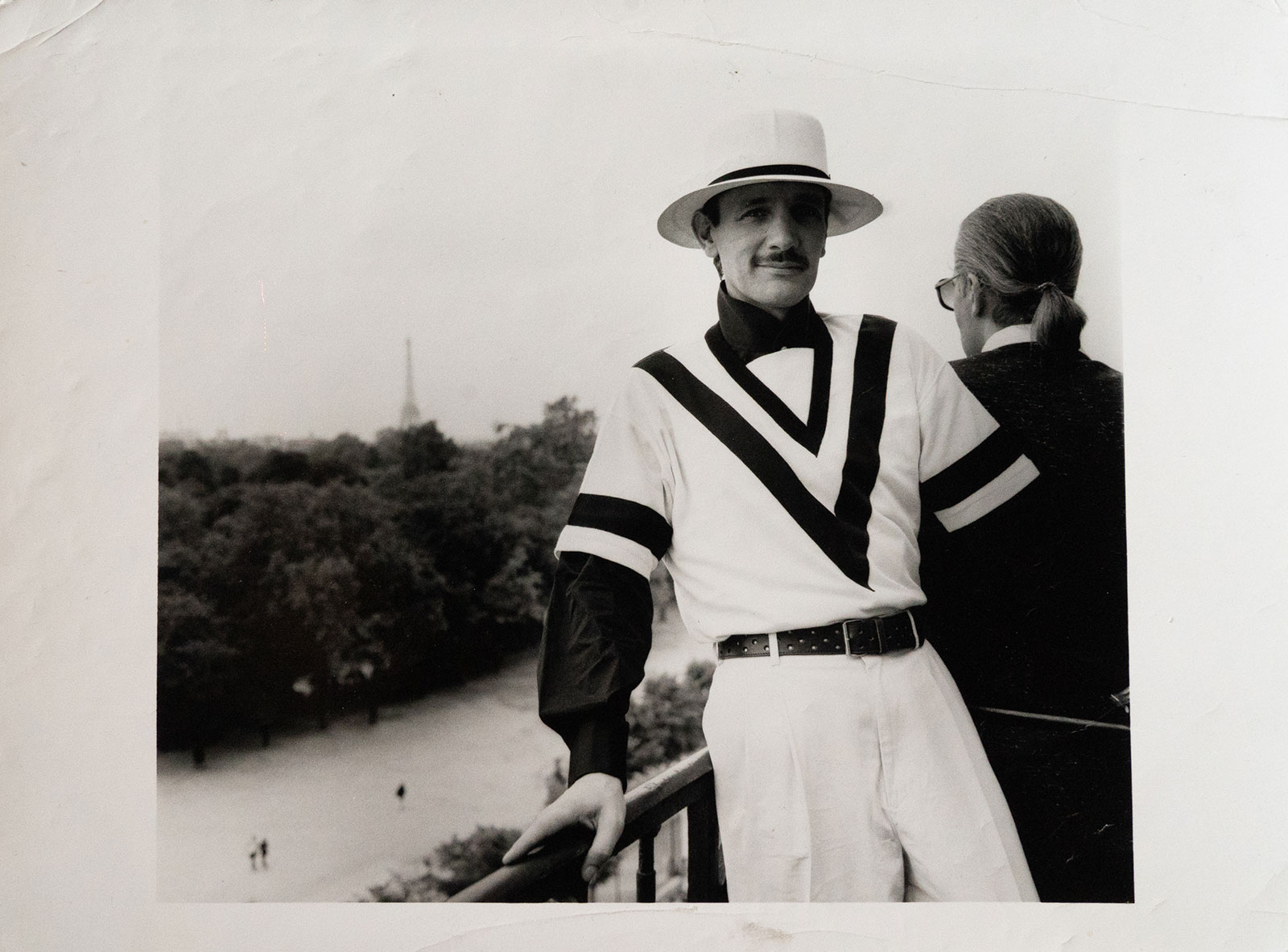
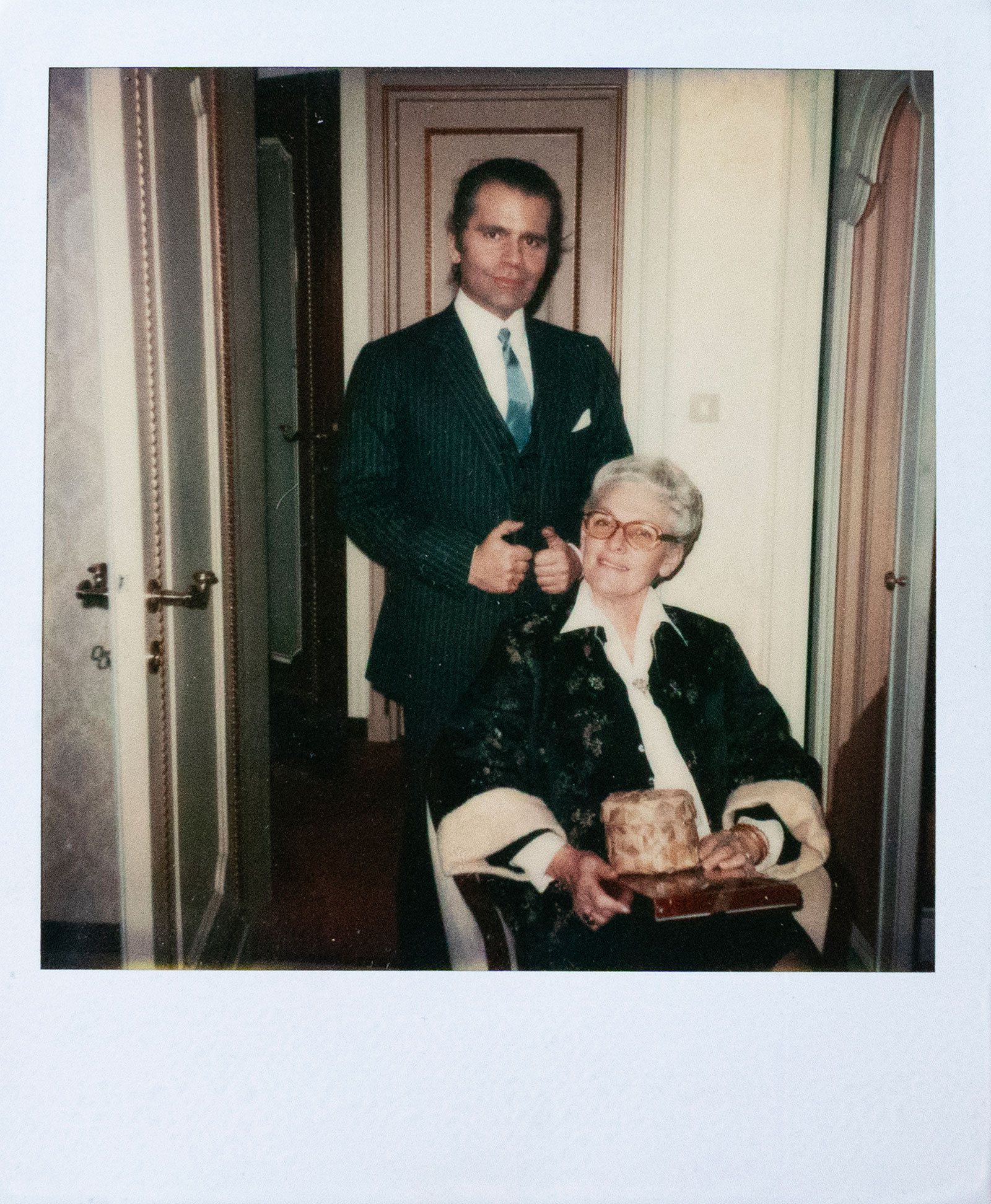
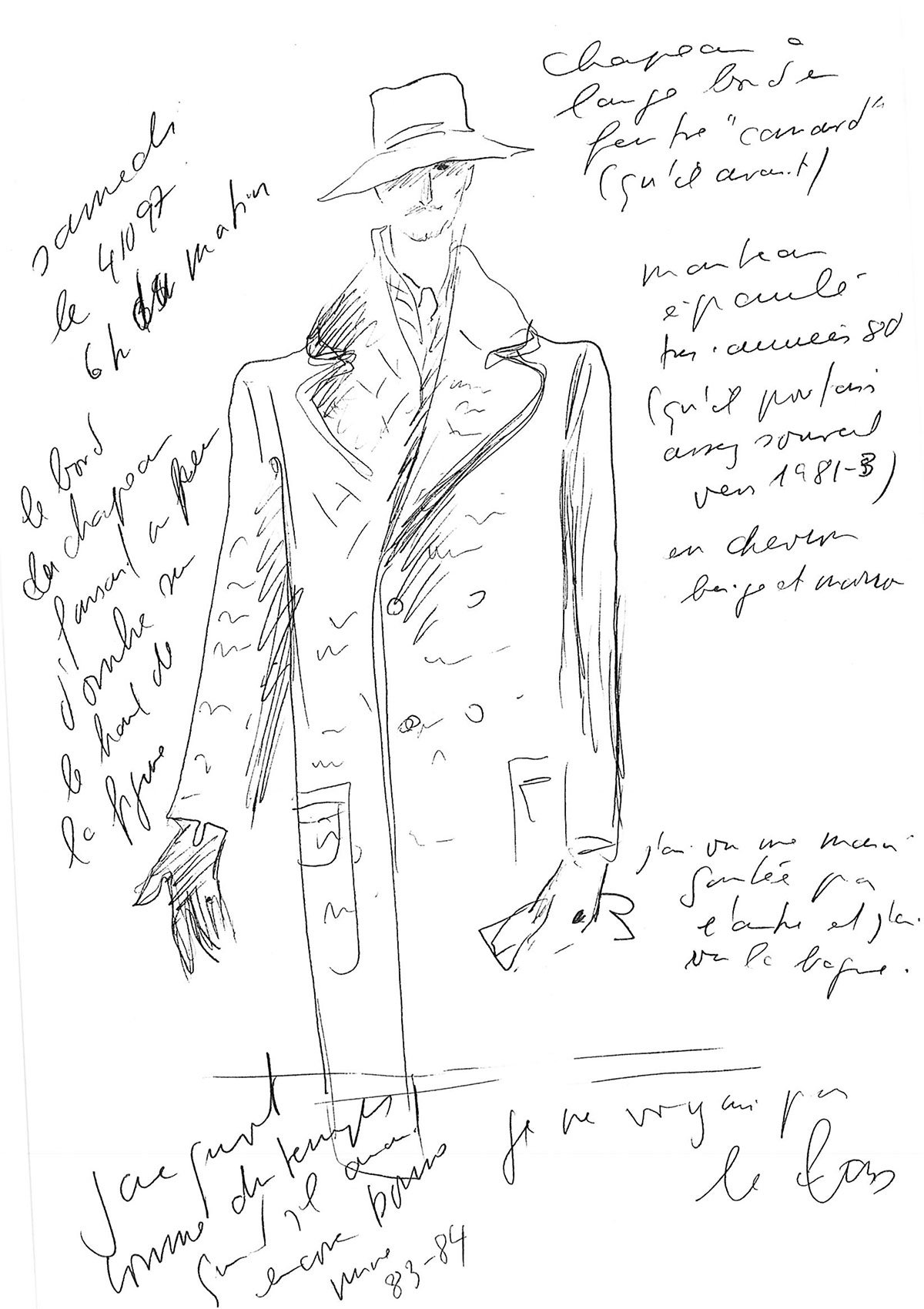
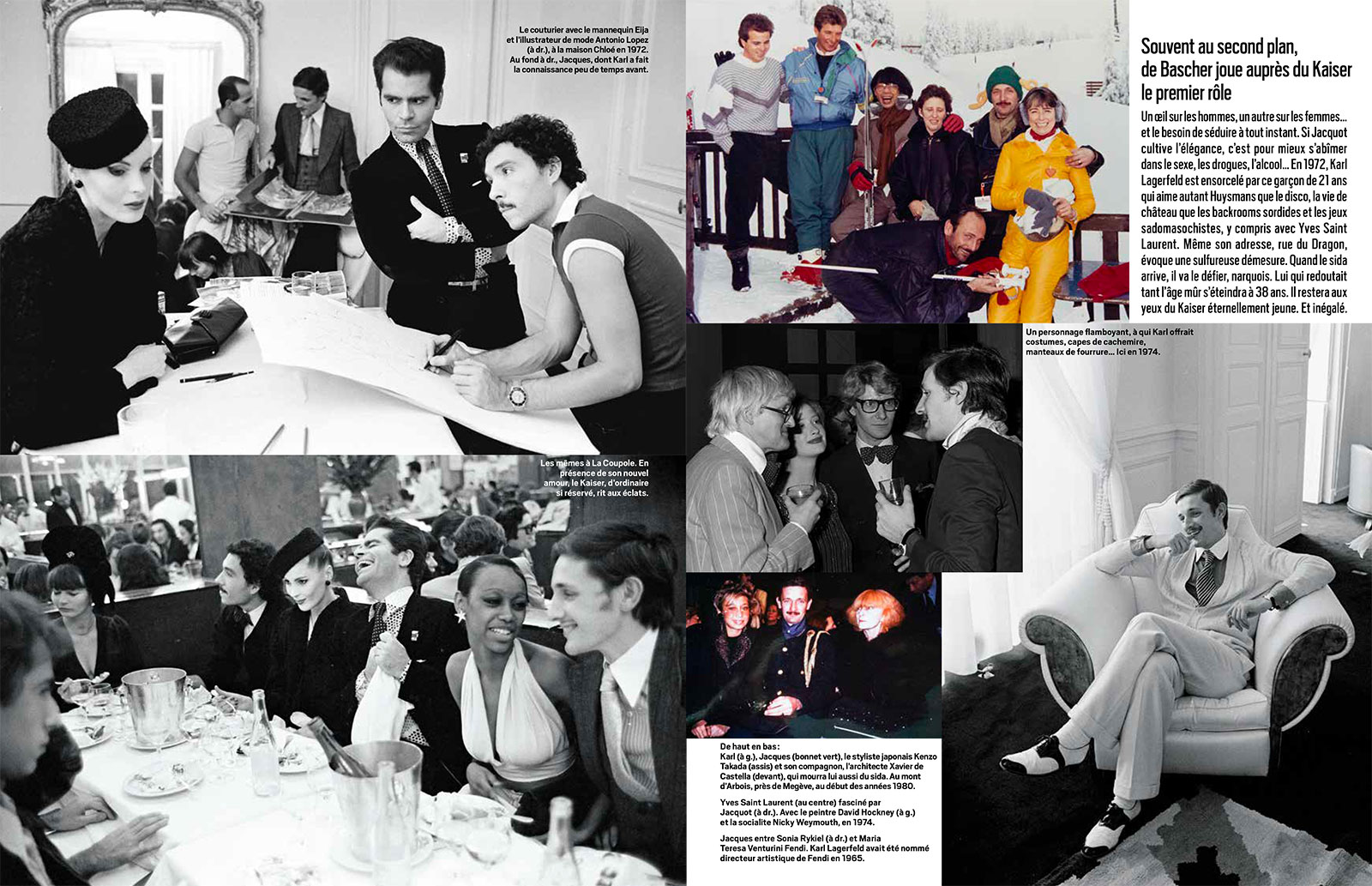
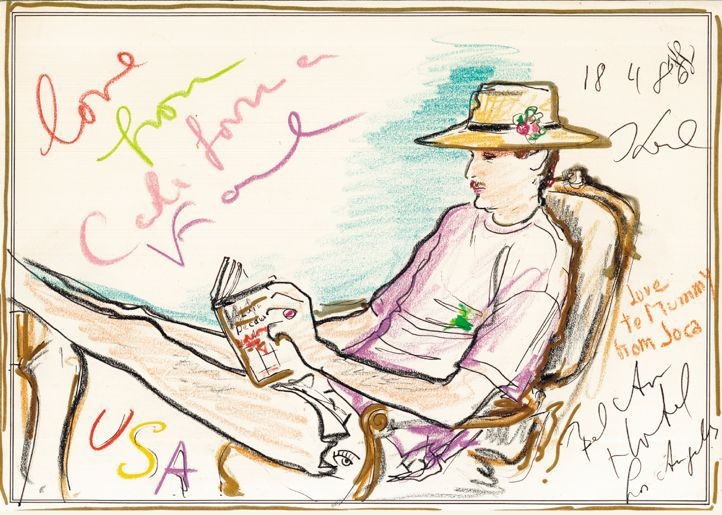
Also on display is a selection of drawings and photographs that often accompanied the letters: sketches and drafts created by the designer when Jacquot appeared to him during his long sleepless nights, and vintage photographs with friends and places where the couple had lived.
As the curator Clara Tosi Pamphili explains, “The inner life of the letters and of grief, and the outer life of work and daily commitments, are two tracks that run in parallel, until the image becomes distant enough to disappear.” The letters, she continues, represent a powerful heritage for their emotional intensity, full of beauty, as only the cultivated mind of someone who had already built a temple of written paper could conceive, with one of the largest private libraries in the world, a collection of more than three hundred thousand precious books. “In my home, you must walk among books,” Lagerfeld used to say. The exhibition seeks to draw inspiration from this parallel world to the real one, represented by writing, where documents are proof of the eternal existence of a story.
During the opening evening, Thursday, May 7 starting at 6:30 pm, a conversation will take place between Silvia Venturini Fendi and Richard Mogni, creator of the exhibition. Rome and Paris were the two most important cities in Lagerfeld’s career, and it was in the Eternal City that a significant and decades-long collaboration with the Fendi sisters began, for whom he served for many years as creative director.
On the occasion of the exhibition, works by three young artists, Christophe Constantin, Giacomo Matarazzo, and P.A.C.E, will also be on display, illustrating the emotions contained in Lagerfeld’s letters, such as fear, death, and the desire to live.